News
Sad News
Linda Goy was a long time friend of Sante Total. She was instrumental in helping Gaby found the St. Rose school in Jacsonville and has been a supporter of the school and Jacsonville for many years. We are sad to announce that she has passed away. Our … [Read More...]

Read our fall newsletter
We have another newsletter out for you to read! Inside you will find updates on our cholera prevention product, current events in Haiti, and news on the students we are sponsoring. You can read it here. … [Read More...]

Support Sante Total on Giving Tuesday
Dear friends of Sante Total, Mesi Anpil (thank you so much), for your generous donations of time, energy, and money, and your willingness to help! Sante Total is counting on your participation to continue our projects in … [Read More...]
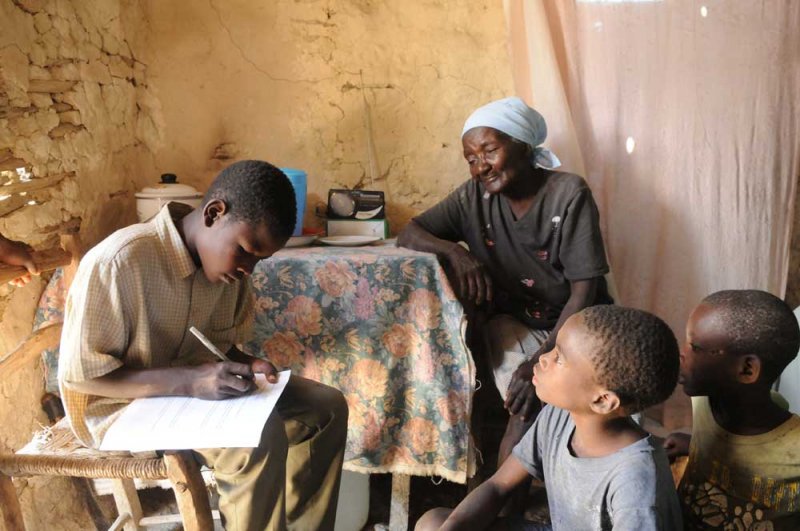
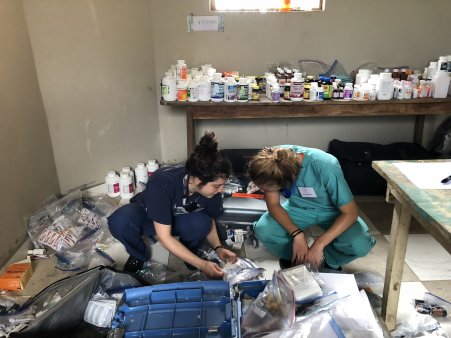
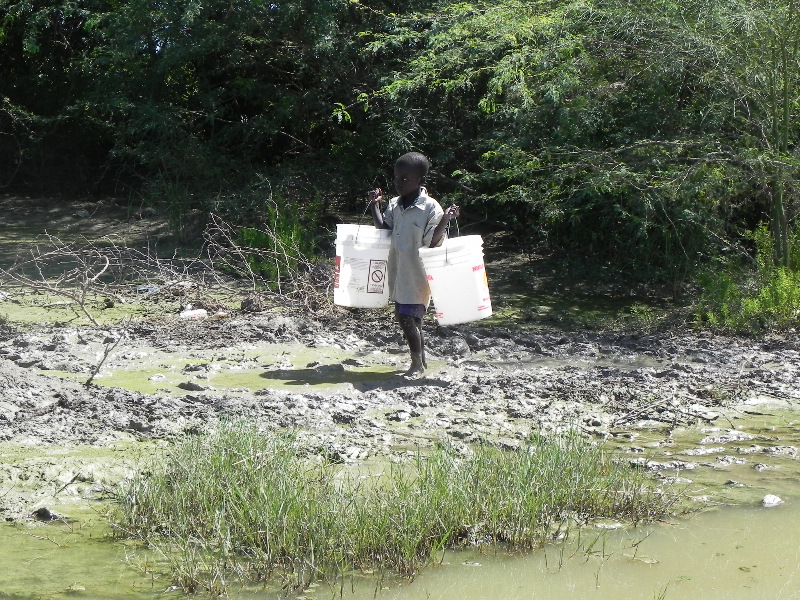
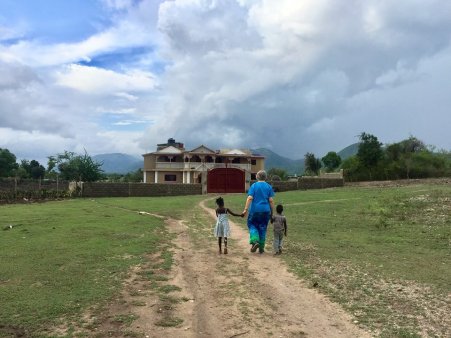
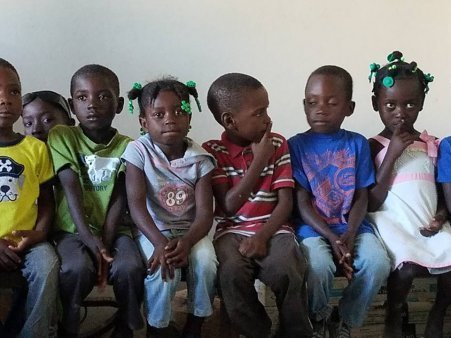
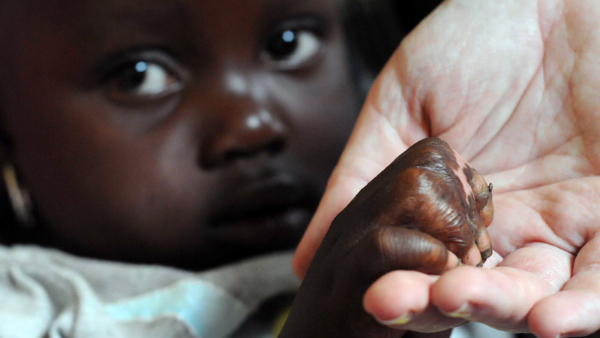
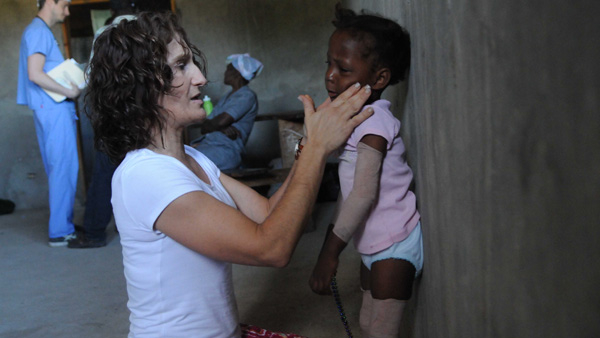
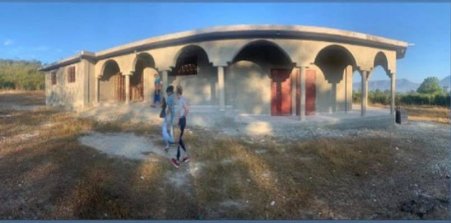
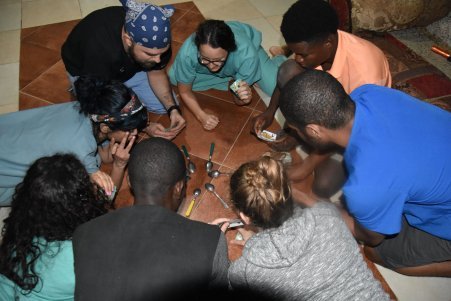
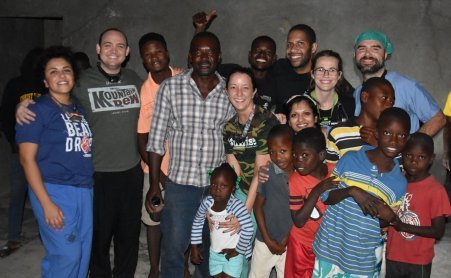
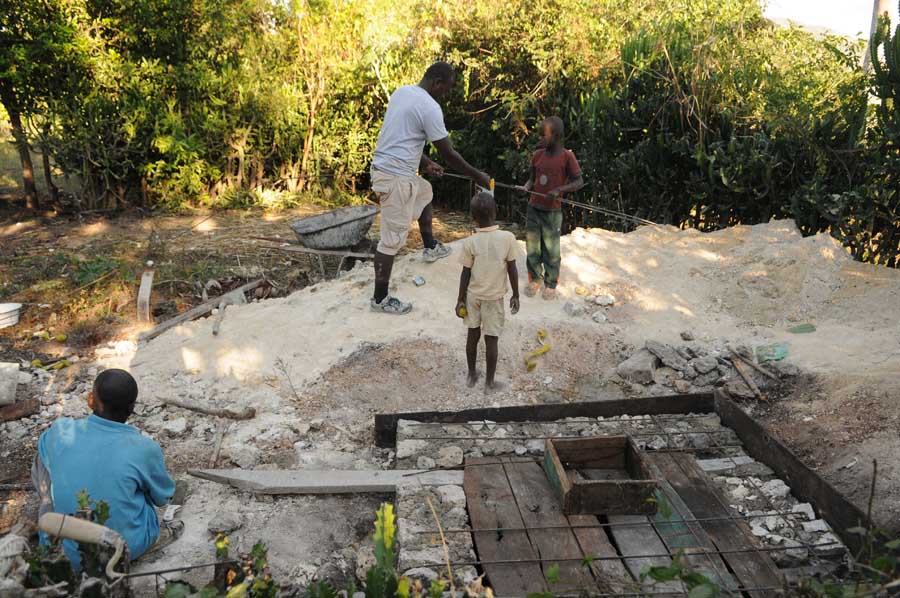
Photos from past trips
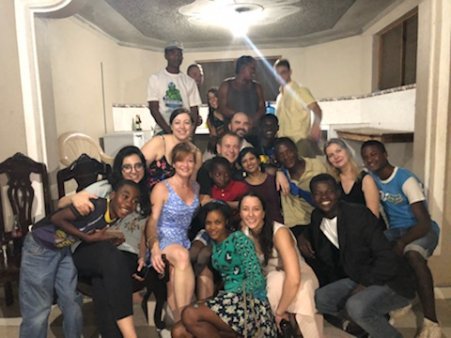
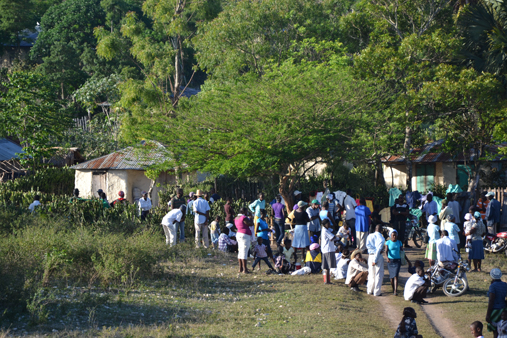
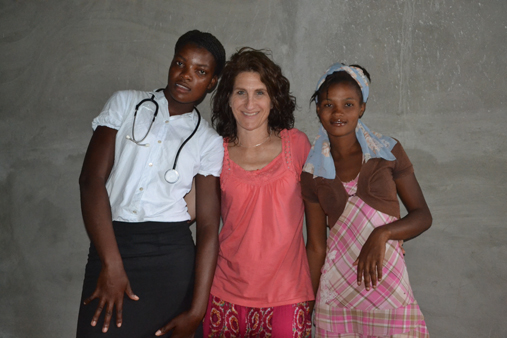
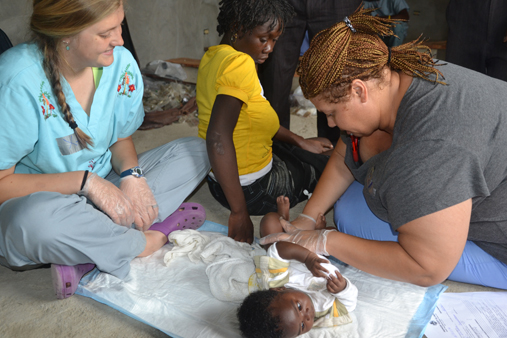





Help Out

Sante Total provides ongoing support to Jacsonville, Haiti, which means the ongoing support received from private donors is so very critical. There are several ongoing projects right now that your donation of goods, services and or financial contributions will have a huge impact. These projects relate directly back to elevating diseases that are directly related to poverty. The projects include a … Read more...
Clinic Progress
School Lunch Delivery!
The food for the school lunch program at St. Rose … [Read More...]
Giving Tuesday
This giving Tuesday, please consider Sante Total … [Read More...]
Mission Vision & Goals

Mission: Sante Total aims to provide sustainable healthcare to rural communities in the Central Plateau region of Haiti. Vision: At Sante Total , we believe you can only improve health through eradicating the disease of poverty. The Sante Total approach considers the entire person- physical health, well-being, education, and employment, to be essential to health and quality of life. Goals: Provide Primary Medical Care: Perform quarterly visits to Jacsonville, Haiti to treat the acute and chronic medical conditions of local residents and … Read more...